I. What is a Rough Terrain Forklift?
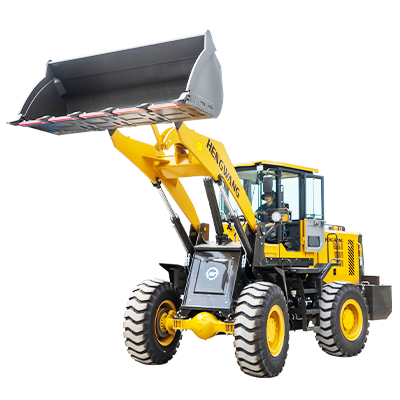
A rough terrain forklift is a specialized material handling equipment designed for complex terrains. Compared to standard forklifts, it boasts superior mobility and environmental adaptability, operating stably on unpaved surfaces like mud, gravel, and slopes. It is widely used in outdoor construction, agriculture, mining, and other rugged scenarios.
II. Key Advantages: Why Choose a Rough Terrain Forklift?
All-Terrain Mobility:Four-wheel drive paired with off-road tires enables adaptation to muddy, mountainous, and sandy conditions; higher ground clearance minimizes sinking risks.
Heavy Load Capacity & Flexibility:Capable of handling substantial weights, with some models featuring telescopic arms or articulated frames for high-altitude or confined-space operations.
Strong Environmental Adaptability:Designed for harsh conditions (e.g., dust-proof, anti-vibration), ensuring stable performance in rain, snow, low temperatures, or dusty environments.
III. Primary Application Scenarios
IV. Key Technical Features
Drivetrain & Chassis:Four-wheel drive system (some with differential locks) ensures power distribution on challenging terrains.
Tires & Suspension:Deep-tread off-road tires or solid tires; hydraulic shock-absorbing suspension reduces vibration.
Power System:Mostly equipped with turbocharged diesel engines, suitable for high-altitude, low-temperature environments.
Safety Design:Roof guards, roll-over protection structures, and automatic fork leveling ensure operational safety.
V. Selection Considerations
VI. Fundamental Differences from Standard Forklifts
Rough terrain forklifts prioritize "off-road performance" in design, breaking free from standard forklifts’ reliance on flat surfaces. They are essential equipment for outdoor operations, balancing material handling efficiency with environmental adaptability.